
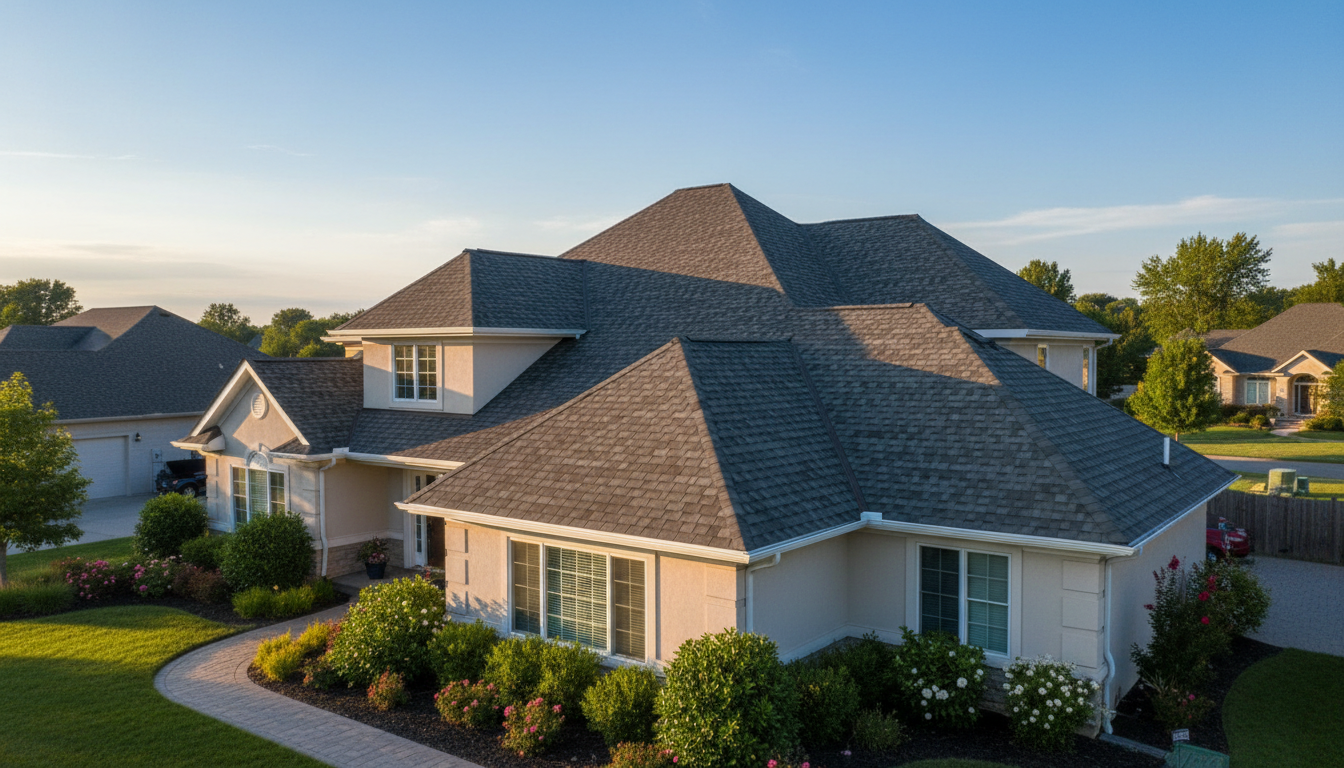
Key indicators like curling shingles, persistent leaks, and visible sagging are major signs you need a roof replacement for your home. If your roofing system is over twenty years old or exhibits significant granule loss; a complete replacement is often necessary to prevent structural damage.
Many homeowners in San Antonio only think about their roof after a major storm rolls through the Hill Country. However, waiting for a visible leak often means the damage has already compromised your home's structural integrity. Your roof serves as the primary barrier against the intense Texas sun and unpredictable hailstorms; therefore, recognizing early warning signs is essential for protecting your investment. Ignoring minor issues today can lead to costly interior repairs and mold growth tomorrow. In this guide, we will analyze the critical indicators of roof failure, ranging from shingle deterioration and granule loss to attic moisture. You will also learn how local weather patterns dictate your replacement timeline and whether your current structure is ready for modern upgrades like solar panels. By the end, you will have the expert knowledge required to decide between a simple repair and a full system replacement.
Understanding the Lifespan of San Antonio Roofs
Determining how much life your roof has left begins with understanding the specific environmental stressors in South Texas. While most manufacturers rate standard architectural asphalt shingles for 20 to 25 years, San Antonio’s climate operates on a different timeline. The city’s intense UV index and prolonged periods of triple digit heat cause shingles to expand and contract aggressively; this leads to premature thermal cracking and oil evaporation within the asphalt binder.
Homeowners must also consider the previous installation method. If your current roof was a roof-over, where a second layer of shingles was nailed directly over the original, the lifespan is significantly shorter. These layers trap heat between them, cooking the shingles from both sides and often voiding manufacturer warranties. A full tear-off, which involves removing all old materials down to the decking, is the only way to ensure the structure lasts its intended term.
We recommend checking your home’s closing documents or permit records to find the exact date of the last installation. If your system is approaching the 18 or 20 year mark, it is time to evaluate the Roof Replacement Cost San Antonio homeowners can expect. Persistent heat exposure and cumulative UV damage are among the most reliable signs you need a roof replacement before the next major storm season arrives.
Visible Shingle Damage: Curling, Buckling, and Missing Pieces
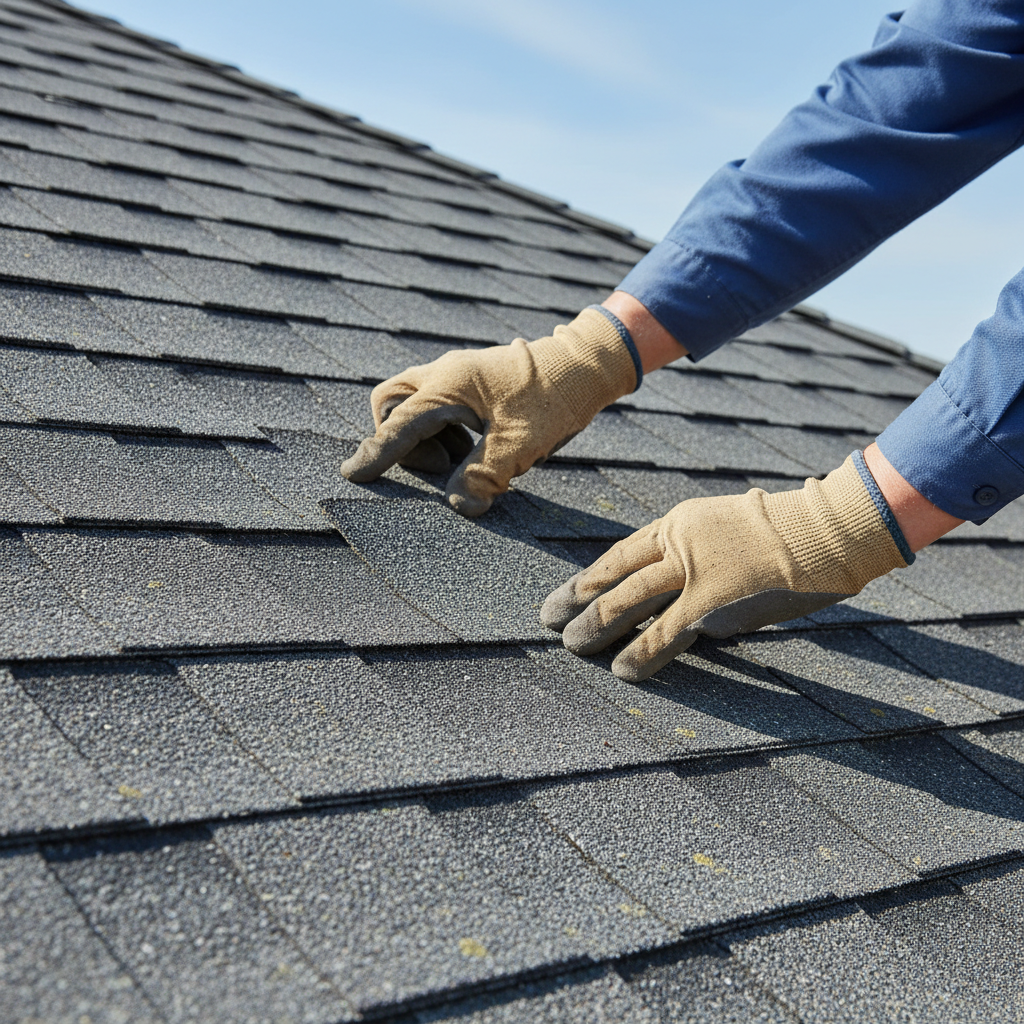
Beyond the chronological age of your roof, the physical geometry of your shingles provides a direct look into their structural integrity. When asphalt shingles reach the end of their functional life, they often exhibit two distinct forms of deformation: cupping and clawing. Cupping occurs when the edges of the shingle turn upward, creating a concave shape that collects water and debris. Clawing happens when the edges remain flat but the center of the shingle begins to bulge or "hump" upward. Both conditions indicate that the shingle's internal mat has become saturated or overly dried out, rendering it incapable of providing a flat, waterproof seal.
This loss of flexibility directly impacts how your roof handles San Antonio's frequent spring thunderstorms. Each shingle is manufactured with a factory-applied adhesive strip designed to bond it to the course below. As heat and age degrade this bond, the shingles become susceptible to wind uplift. If you find shingles in your yard after a standard rain event, it rarely points to a simple installation error; instead, it suggests the adhesive has failed across the entire slope.
Distinguishing between localized wind damage and widespread material failure is key. A few shingles lost to a severe gust on a ten-year-old roof might warrant a simple repair. However, if the remaining shingles feel brittle to the touch or crack when lifted slightly for inspection, these are definitive signs you need a roof replacement. Brittle shingles can no longer be effectively repaired because the surrounding materials will often shatter during the nailing process, making a full system upgrade the only viable long-term solution.
Granule Loss and Clogged Gutters: The Hidden Warning
While curling and missing shingles are obvious, one of the most significant signs you need a roof replacement is found at the base of your downspouts or inside your gutter runs. Asphalt shingles are topped with ceramic-coated mineral granules. These are not merely for aesthetics; they serve as the primary defense against the South Texas sun. These granules reflect ultraviolet radiation and protect the underlying asphalt from drying out and cracking.
During your next gutter cleaning, look for an accumulation of sediment that resembles coarse black sand or coffee grounds. This shingle grit indicates that the asphalt binder has reached a state of decay where it can no longer hold the protective surfacing in place. Once this layer is lost, the sun rapidly accelerates the evaporation of the oils that keep shingles flexible. This process leaves the roof brittle and vulnerable to cracking during the next extreme temperature swing.
Ignoring granule loss leads to a rapid decline in water-shedding capability. When the protective barrier is gone, moisture can penetrate the shingle mat and reach the wood decking beneath. Identifying this early allows for a planned transition rather than an emergency response to structural wood rot or interior leaks. Addressing this now ensures you aren't surprised by the Roof Replacement Cost San Antonio families face when secondary water damage is involved.
Interior Red Flags: Attic Inspections and Water Stains
Monitoring the attic is the most reliable way to identify material failure before it results in expensive interior repairs. Many homeowners wait for a brown circle to appear on their living room ceiling, but that stain is actually a late-stage indicator. By the time moisture migrates through the shingles, underlayment, decking, and attic insulation to finally reach your drywall, the internal structure has likely been damp for months. This slow accumulation of moisture can lead to mold growth and compromised structural integrity long before a drop of water ever hits your floor.
To conduct a thorough inspection, follow these steps during a bright San Antonio afternoon:
The Sunlight Test: Turn off all attic lights and allow your eyes several minutes to adjust to the darkness. Look toward the roof peaks, valleys, and chimney flashing. If you see pinpricks of daylight peeking through the roof boards, your system is no longer watertight.
Decking Analysis: Scan the underside of the wood panels with a flashlight. Look for dark streaks, localized rot, or "tracking" where water has traveled down a rafter. In our South Texas heat, moisture often evaporates quickly, leaving behind telltale water rings or white mineral deposits known as efflorescence.
Insulation Check: Inspect the insulation directly beneath the roof slopes. If the material feels damp, or if you notice matted, flattened sections, a leak is likely bypassing your secondary barriers.
Identifying these interior red flags is among the most critical signs you need a roof replacement. Catching these issues early helps prevent the increased Roof Replacement Cost San Antonio homeowners face when a project transitions from a standard shingle swap to a full structural deck replacement.
The Solar Readiness Factor: Is Your Roof Prepared for Panels?
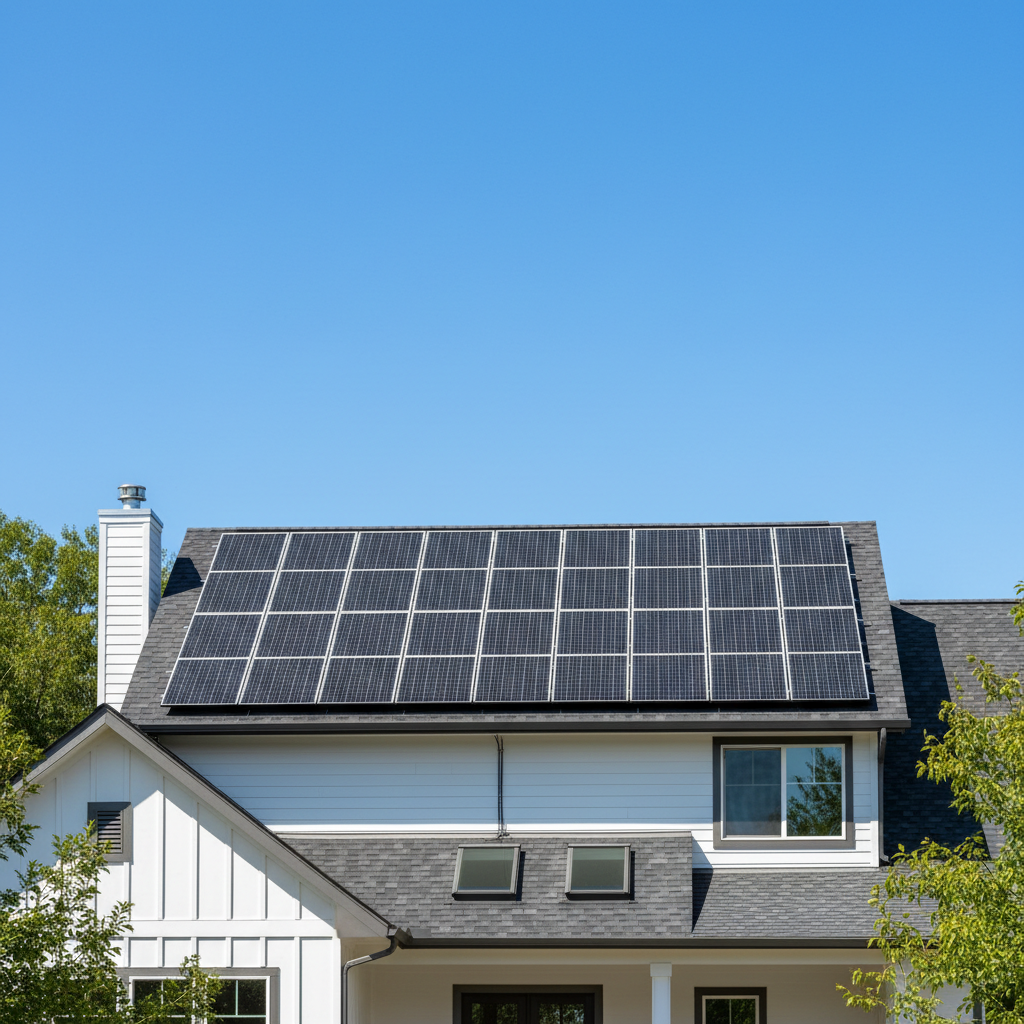
Transitioning from attic health to modern energy upgrades, homeowners must consider solar compatibility before committing to a renewable system. At NexPeak Roofing, we analyze the structural relationship between your shingles and potential photovoltaic arrays. A solar installation is a 25 to 30 year commitment; therefore, your roof must possess at least 15 to 20 years of remaining service life to justify the installation.
If an inspection reveals minor granule loss, localized brittleness, or early-stage cracking, these are definitive signs you need a roof replacement prior to adding solar. Removing and reinstalling a solar array just a few years after it is mounted can cost thousands in additional labor, effectively erasing the initial financial benefits of the transition. It is far more cost-effective to sync the lifecycle of your roofing material with the lifecycle of your panels.
We advise property owners to treat the roof and solar panels as a singular energy system. By installing a high-reflectivity, energy-efficient roof at the same time as solar, you maximize the reduction of San Antonio cooling costs. A new roof deck and updated ventilation ensure the structure can handle the weight of the panels while keeping your attic significantly cooler during August heatwaves. Consulting a specialist on the total Roof Replacement Cost San Antonio allows you to budget for a comprehensive upgrade that protects your home and powers it simultaneously.
Impact of Local Weather: Hail Damage and Storm Wear
Beyond the gradual effects of UV exposure and solar readiness, San Antonio’s location within the region often called "hail alley" introduces sudden, violent stressors that can bypass the natural aging process. Spring and autumn storms in South Texas frequently produce high-velocity hail that causes what professionals call shingle bruising. These impacts are often invisible from the ground but create soft spots where the protective granules have been driven into the asphalt mat or knocked away entirely. Over time, these bruises develop into micro-fractures that expand during heat cycles, eventually providing a direct path for moisture to reach your roof deck.
Property owners must distinguish between cosmetic marring and functional damage. Functional damage is a compromise of the shingle’s water-shedding capability and is one of the definitive signs you need a roof replacement rather than a simple patch. If your home in neighborhoods like Stone Oak or Alamo Heights has weathered a significant storm, a professional inspection is the only way to document this structural wear for insurance purposes. Identifying functional damage early allows you to address the Roof Replacement Cost San Antonio homeowners face through a timely claim, ensuring the long-term value of your property is protected before leaks manifest in the living space.
Decision Time: Repair or Full Replacement?

Determining the most cost-effective path forward requires balancing the current age of the system against the extent of the damage. For a roof installed within the last decade, localized repairs are often the most practical choice. If a single limb from a Live Oak punctures a section or a localized gust dislodges a handful of shingles, a targeted repair can effectively restore the water shedding surface without the need for a full overhaul.
However, the math changes once the damage exceeds 30 percent of the total roof area. At this threshold, the labor and material costs of piecemeal repairs begin to approach the investment required for a full system. If your roof is over 20 years old or has suffered from recurring leaks in different locations, these are definitive signs you need a roof replacement. Attempting to patch a brittle, aged surface often leads to further damage during the repair process itself because the surrounding shingles are too fragile to withstand new nailing.
Decision Factor | Recommend Repair | Recommend Replacement |
|---|---|---|
Roof Age | Under 10 years | Over 18 to 20 years |
Damage Extent | Less than 30% of surface | More than 30% of surface |
Leak History | First occurrence or localized | Multiple, recurring leaks |
System Condition | Pliable, intact granules | Brittle, widespread granule loss |
A full replacement offers long term financial advantages that a patch cannot match. In the competitive San Antonio real estate market, a new roof with a transferable manufacturer warranty significantly boosts property value and buyer confidence. Understanding the Roof Replacement Cost San Antonio helps you view this not just as an unavoidable expense, but as a strategic investment in your home’s structural integrity and future resale appeal.