

Selecting the best commercial and industrial roofing San Antonio system requires matching durable materials like heat-reflective TPO or weather-resistant EPDM to the specific demands of the South Texas climate. Facility owners should evaluate energy efficiency and maintenance requirements to ensure long-term structural protection. Choosing a system that balances initial cost with durability is essential for any local industrial property.
The relentless South Texas sun and sudden, severe hailstorms are more than just weather patterns; they are direct threats to the structural integrity and operational continuity of your San Antonio facility. For a business owner or facility manager, a failing roof system represents a mounting liability that affects energy efficiency, asset protection, and safety compliance. Choosing the correct roofing solution requires a sophisticated understanding of both material performance and local regulatory demands. In this guide, we provide an expert analysis of the primary differences between commercial and industrial systems while detailing the specific building codes and cost factors unique to the Texas landscape. You will also discover how to leverage strategic upgrades, such as solar integration, to transform your roof from a necessary expense into a high performing asset for your business.
Understanding the Vital Role of Your Facility Roof in San Antonio
Maintaining a facility in South Texas means contending with a relentless environment. The San Antonio climate presents two primary threats to structural integrity: punishing UV radiation that accelerates material degradation and volatile spring storm seasons characterized by high winds and sudden hail. Unlike residential shingles, commercial roofing services must manage massive surface areas and complex drainage requirements that standard homes never face.
Effective commercial and industrial roofing San Antonio relies on engineering designed to withstand extreme thermal expansion. While a residential roof might prioritize aesthetics, an industrial facility focuses on load bearing capacity for heavy HVAC units and seamless waterproofing over tens of thousands of square feet. These systems require specialized installation techniques, such as heat welded TPO seams, to ensure the building envelope remains airtight and efficient under the Texas sun.
NexPeak Roofing understands these local variables intimately. We provide specialized industrial roofing solutions that bridge the gap between durable protection and energy efficiency. From expansive manufacturing plants along the I-35 corridor to high traffic retail centers near the South Texas Medical Center, our team applies technical precision to every project. We ensure your facility is not just covered, but strategically prepared for the long term demands of the regional climate.
Commercial vs. Industrial Roofing: What is the Difference?
The distinction between commercial roofing services and industrial projects often comes down to the building's function and the specific environmental demands inside the structure. Commercial roofing generally encompasses properties such as retail centers, corporate offices, and multi-family complexes. In these settings, aesthetics and foot traffic management are significant factors. For example, a medical office building near the South Texas Medical Center may require frequent roof access for maintenance crews servicing specialized rooftop HVAC units; therefore, the system must resist punctures and wear from consistent activity.
Conversely, industrial roofing solutions are engineered for high-output environments like manufacturing plants, cold storage facilities, and massive distribution warehouses. These roofs face unique stressors that go beyond the Texas heat. An industrial facility might vent corrosive chemicals or high heat through rooftop stacks, requiring membranes with specific chemical resistances that a standard office building would not need. Furthermore, the internal temperature regulation required for cold storage puts immense pressure on the roof’s R-value and thermal bridge mitigation.
While both sectors utilize materials like TPO or metal, the installation complexity and structural load requirements vary significantly. Industrial roofs often support massive, heavy-duty equipment, requiring reinforced decking and specialized fastening patterns to manage the weight. The scale of an industrial project also demands a different logistical approach than a retail strip, as even minor leaks can disrupt manufacturing lines or compromise sensitive inventory. Navigating commercial and industrial roofing San Antonio requires a partner who understands these structural nuances to ensure the system aligns with both the building's physical architecture and its daily operational demands.
Top Roofing Systems for San Antonio Businesses
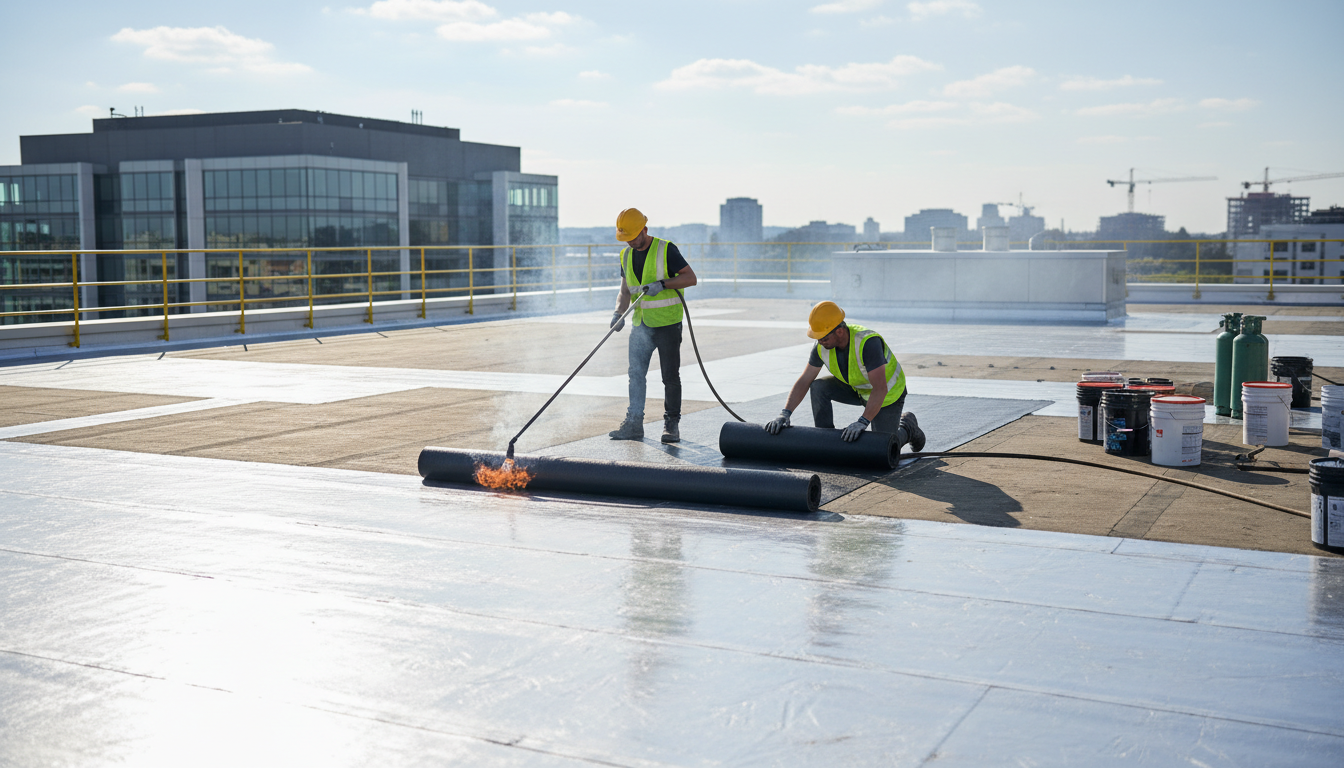
The selection process for commercial and industrial roofing San Antonio begins with identifying the primary goal of the facility, whether that is maximum energy savings, extreme longevity, or resistance to severe weather events. In our region, the high solar index and frequent thermal cycling dictate which materials will provide a positive return on investment. Choosing the wrong system can lead to premature membrane fatigue or astronomical cooling costs.
### TPO (Thermoplastic Polyolefin) TPO has emerged as the gold standard for San Antonio cool roofs due to its naturally reflective white surface. This single-ply membrane typically reflects up to 80 percent of solar radiation, preventing the roof surface from becoming a massive radiator that pumps heat into the building below. For commercial roofing services, TPO is often the preferred choice for retail and office spaces looking to slash monthly AC bills. The technical advantage of TPO lies in its heat-welded seams. Unlike systems that rely on adhesives, TPO seams are fused together to create a monolithic layer that is significantly less likely to fail during the rapid expansion and contraction caused by Texas temperature swings.
### EPDM (Ethylene Propylene Diene Terpolymer) EPDM is a highly durable synthetic rubber membrane known for its ability to handle structural movement and thermal shock. It remains flexible in cold temperatures and resists ozone and UV damage quite well. However, its traditional black surface is a disadvantage in the South Texas climate because it absorbs heat rapidly, which can reach temperatures exceeding 160 degrees Fahrenheit in the summer. When NexPeak installs EPDM in this region, we typically recommend a high-solids silicone coating to provide the necessary reflectivity. This combination offers the puncture resistance of rubber with the thermal benefits of a white roof.
### Metal Roofing For facilities requiring a 50 to 70 year lifespan, metal roofing is the premier choice. It offers superior hail resistance, which is a critical consideration for properties located near the South Texas Medical Center or the industrial hubs along the I-35 corridor. Metal systems are particularly effective for industrial roofing solutions because they can support heavy loads and are virtually fireproof. While the initial investment is higher than single-ply membranes, the lifecycle cost is often lower due to minimal maintenance requirements and high salvage value.
System Type | Typical Lifespan | Primary Benefit | San Antonio Suitability |
|---|---|---|---|
TPO | 25-40 Years | High reflectivity/Energy savings | Excellent (The regional standard) |
EPDM | 25-35 Years | Puncture resistance/Flexibility | Good (Requires reflective coating) |
Metal | 50-70 Years | Hail resistance/Maximum longevity | Excellent (Best for long-term assets) |
Navigating the 25 Percent Rule and San Antonio Building Codes
Compliance is a critical factor when planning commercial and industrial roofing San Antonio projects. Facility managers often encounter the 25 Percent Rule, a provision within the International Existing Building Code (IEBC) adopted by the City of San Antonio. This mandate states that if more than 25 percent of a specific roof section or roof covering is repaired, replaced, or recovered within a 12 month period, the entire roof section must be brought into full compliance with current building codes.
This rule often necessitates upgrades that go beyond simple leak repair. For instance, an older warehouse might need additional rigid foam insulation to meet modern R-value requirements or enhanced edge metal details to satisfy current wind uplift standards. NexPeak Roofing manages these regulatory complexities by coordinating directly with Bexar County and San Antonio municipal inspectors. We handle the technical documentation required for permits, ensuring that your industrial roofing solutions are fully documented and legal from the start of the project.
Navigating these codes incorrectly can lead to stop work orders or costly rework during the final inspection. Our team assesses the existing deck and assembly to determine if a partial repair is even permissible under local law. By integrating code compliance into the initial bid, we prevent the sticker shock that occurs when an inspector demands unforeseen upgrades mid project, ensuring your commercial roofing services remain on schedule and within the expected regulatory framework.
Cost Factors for Commercial Roof Replacement in Texas

Budgeting for commercial and industrial roofing San Antonio requires looking beyond the price per square foot. Total project costs are influenced by the complexity of the existing assembly, the height of the building, and the logistics of debris removal. In Texas, a standard TPO replacement generally ranges from $7 to $12 per square foot, while high-grade metal systems can exceed $18 per square foot depending on the gauge and finish.
A common question facility managers ask is, "Is $30,000 too much for a roof?" The answer depends entirely on the building's footprint. For a 2,500 square foot standalone retail unit, $30,000 reflects a premium installation with high-end insulation and drainage upgrades. However, for a 20,000 square foot industrial warehouse, $30,000 is merely a budget-friendly starting point that likely covers only specific repairs or a restorative coating rather than a full system tear-off and replacement.
Cost Factor | Impact on Budget | Technical Reason |
|---|---|---|
Roof Slope | 10% to 25% increase | Steeper inclines require specialized fall protection and slower labor cycles. |
Accessibility | 5% to 15% increase | Limited staging areas or high-rise requirements necessitate cranes and advanced logistics. |
Insulation (R-Value) | Variable | Meeting current San Antonio energy codes often requires additional layers of polyiso board. |
Penetrations | Per unit cost | Each HVAC curb, vent, or skylight requires detailed flashing, increasing labor hours. |
To help manage these capital expenditures, NexPeak Roofing offers flexible roofing financing options designed to align with your facility’s fiscal cycles. This allows for the installation of a high-performance system that reduces long-term operational costs without depleting immediate cash reserves. Factors such as the number of penetrations and the requirement for tapered insulation to prevent ponding water will also shift the final estimate. By addressing these variables during the initial inspection, we provide a transparent breakdown that prevents mid-project budget inflation.
The Strategic Advantage of Solar Integration for Industrial Facilities
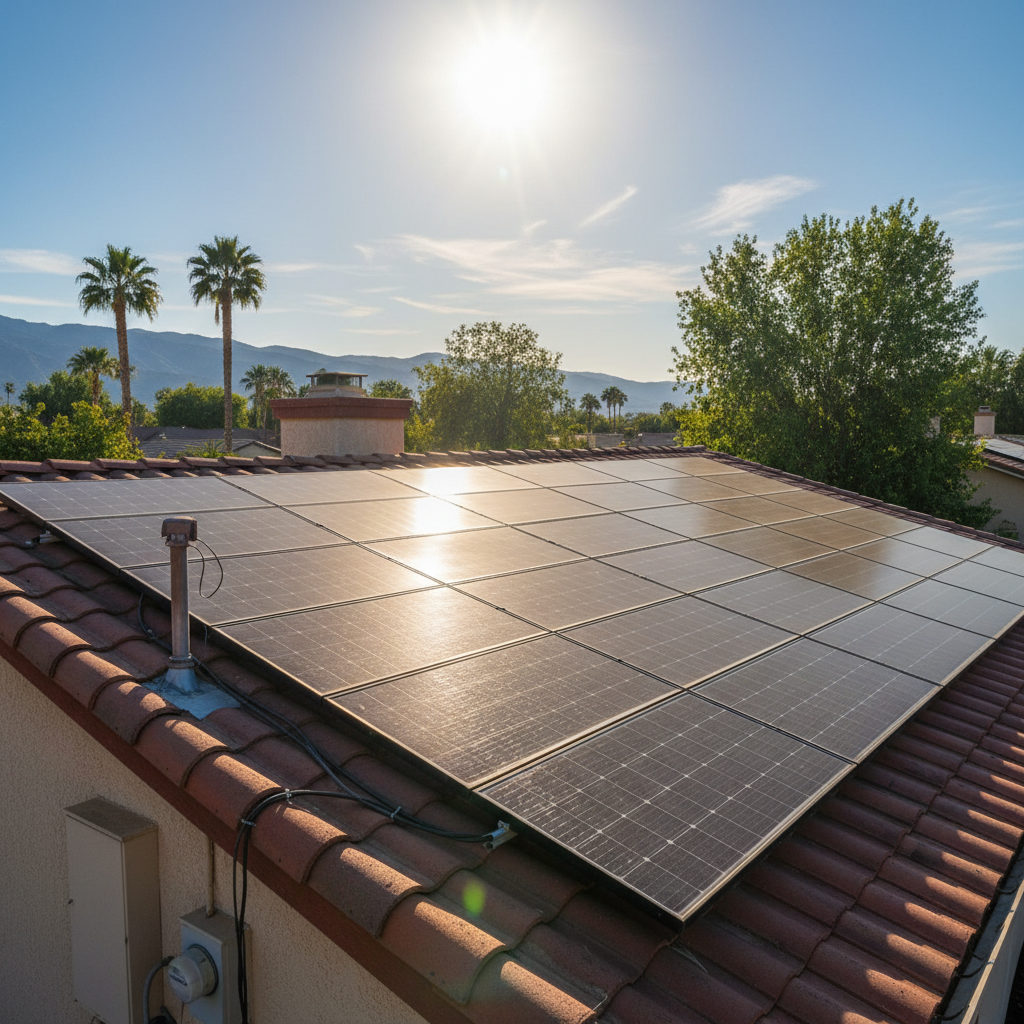
Industrial facilities in San Antonio possess an often-overlooked asset: massive, flat roof acreage with high solar exposure. Integrating solar energy installation during a roof replacement transforms a passive maintenance expense into a power-generating center. This synergy is particularly effective when installing a new TPO membrane, as the white, reflective surface can actually enhance the performance of bifacial solar modules by capturing reflected light from the roof surface.
Executing these projects simultaneously provides a distinct structural advantage. When NexPeak manages both the membrane and the racking system, we eliminate the risk of third-party contractors compromising the building envelope. Every penetration is flashed and sealed according to strict commercial roofing services standards, ensuring the manufacturer's warranty remains fully intact. This unified approach prevents the finger-pointing that often occurs between separate roofing and solar companies when leaks arise.
The financial incentives further strengthen the case for integrated industrial roofing solutions. By bundling solar with a necessary roof replacement, facility managers can often maximize the Federal Investment Tax Credit and take advantage of accelerated depreciation schedules. This strategic approach to commercial and industrial roofing San Antonio drastically reduces long-term operational overhead while increasing the property’s total value. We view your roof as more than a cover; it is a critical piece of your facility's energy infrastructure.
Selecting the ideal system for your San Antonio facility involves balancing durability, energy efficiency, and local climate demands. While the options can feel overwhelming, identifying the right fit ensures your investment remains secure for decades. If you would like professional guidance to determine which material suits your building best, our team is available to help. You can learn more about our specialized Commercial Roofing options designed for the Texas heat, or reach out to discuss your specific project needs. We are here to ensure your facility stays protected.