
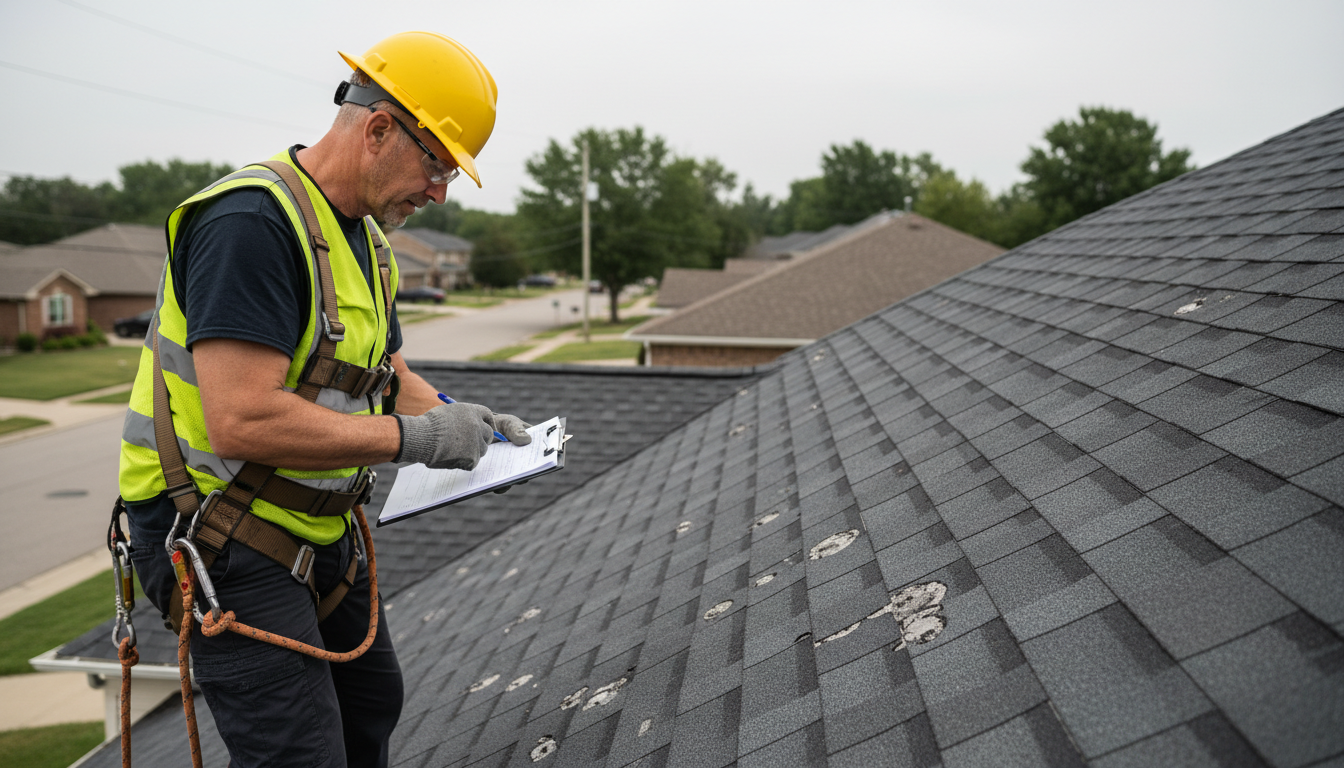
After discovering hail damage roof Texas residents should document the storm date and take photos of the property before scheduling a professional inspection. Homeowners must then file a claim with their insurance provider within the required timeframe; typically one year, to ensure all repair or replacement costs are covered. Working closely with an adjuster and a reputable contractor will help secure a fair settlement and protect the home from further leaks.
Watching a sudden Texas hailstorm batter your property is a stressful experience that leaves many homeowners feeling vulnerable and uncertain. Once the ice stops falling, the immediate concern shifts to the integrity of your shingles and the potential for costly structural leaks. Navigating the aftermath requires more than just a quick glance at your gutters; it demands a strategic approach to ensure your insurance claim is handled correctly and your home remains protected. This guide outlines the essential steps for San Antonio residents, starting with immediate actions to take within the first twenty-four hours. You will learn how to identify subtle damage, why a professional inspection should precede an insurance claim, and how to avoid common pitfalls with adjusters and storm chasers. We also provide specialized advice for those with solar panels to ensure your entire energy system survives the season.
The First 24 Hours: Immediate Action Steps for San Antonio Homeowners
Once the storm passes, your first priority is the physical safety of your family. Before assessing your property, ensure all severe weather warnings have expired and it is safe to move around. Begin your assessment inside the home. Walk through every room and check the ceilings and attic for new dark spots, dampness, or active drips.
Under most Texas insurance policies, homeowners have a contractual obligation to mitigate further damage. This means taking reasonable steps to prevent water from causing secondary issues like mold or structural rot. If you find a leak, place buckets under the drip and move furniture or electronics away from the affected area. If you can safely access the attic, placing plastic sheeting over insulation can stop water from saturating your drywall. Do not attempt to climb onto a wet or damaged roof yourself; mitigation at this stage should be limited to what you can do safely from the ground or inside the house.
Document the specific date and time the storm hit your neighborhood. This timestamp is a mandatory field for any hail damage roof Texas claim, as adjusters correlate your report with local meteorological data. If you notice signs of intrusion, contact a provider of residential roofing services immediately to discuss emergency tarping. Acting quickly not only protects your interior but also demonstrates to your carrier that you are proactively managing the loss, which simplifies the roof insurance claim support process later.
How to Identify Hail Damage on Your Roof Without Climbing a Ladder
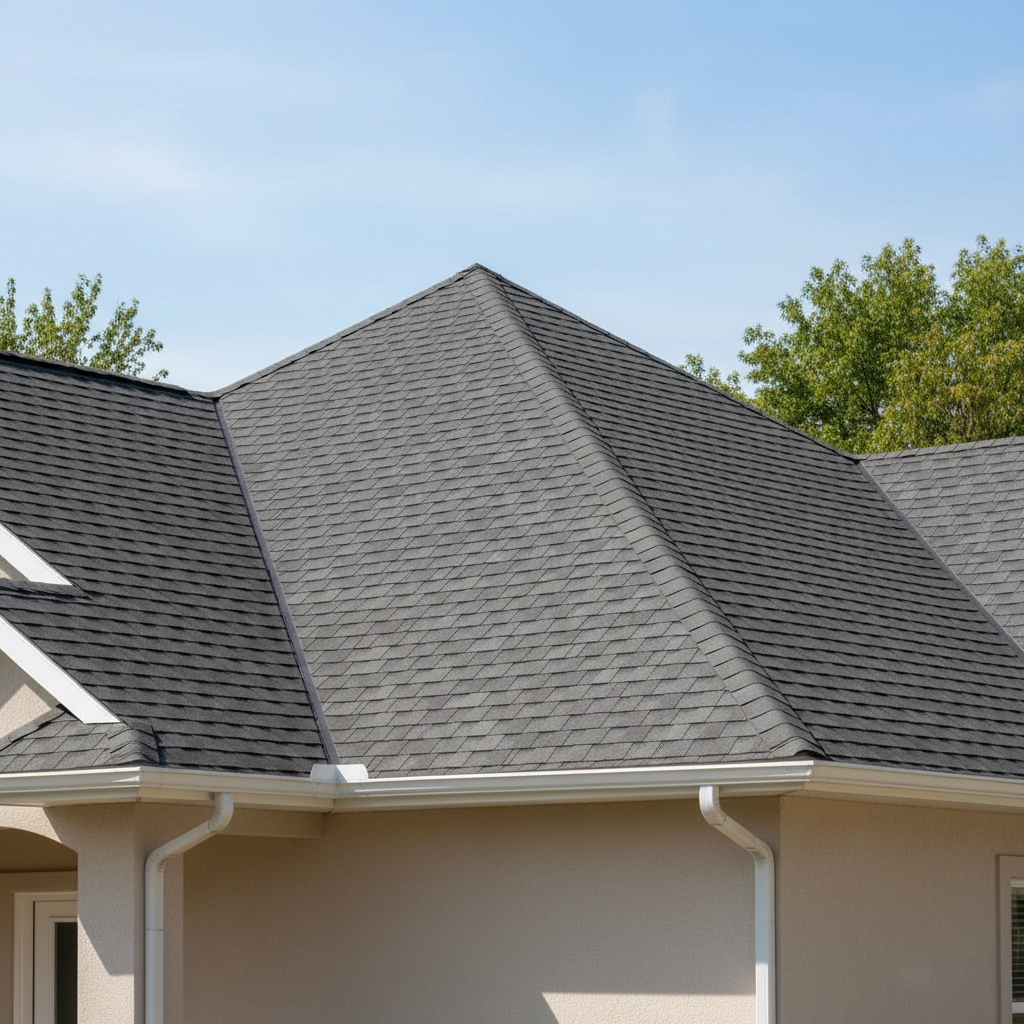
Identifying damage from the ground requires a keen eye for collateral indicators. These are signs on other parts of your property that suggest your roof likely sustained similar impacts. Start your assessment by looking at the soft metals around the exterior. Gutters, downspouts, and window screens are made of thin materials that dent easily under pressure. If you see circular indentations or dings in your aluminum gutters, it is a strong indicator that the shingles above them took the same force.
Check your air conditioning unit. The thin aluminum fins on the exterior of the condenser are highly sensitive and easily crushed by ice. Adjusters in San Antonio frequently prioritize these because they provide clear, undeniable proof of the hail's size and velocity. Similarly, look at your wooden fences for splatter marks. These are light colored spots where high velocity hail has stripped away years of oxidation, algae, or stain upon impact. These marks typically fade within a few weeks, so documenting them quickly is essential.
Understanding the difference between cosmetic and functional damage is vital for a successful hail damage roof Texas claim. Functional damage occurs when the integrity of the shingle is compromised. From the ground, you might notice:
Granule Loss: Look for heavy accumulation of asphalt granules in your downspout splash blocks or at the base of your gutters.
Shingle Bruising: While hard to see from a distance, this looks like dark, soft spots where the hail impact has crushed the shingle's internal fiberglass matting.
Circular Fractures: These are semicircular or star shaped cracks in the shingle surface that allow water to reach the underlayment.
While cosmetic issues like minor discoloration might not trigger a full replacement, functional damage creates immediate vulnerabilities. If you notice these cues, you should consult a provider of residential roofing services for a comprehensive evaluation. Documenting these ground level findings provides vital context for your roof insurance claim support process, proving that the weather event was severe enough to warrant professional attention.
Professional Inspection vs. Filing a Claim: Why the Order Matters
Once you have identified ground level signs of impact, the natural impulse is to call your insurance agent immediately. However, filing a claim before a professional evaluation is often a strategic error. In Texas, insurance carriers track every claim filed, regardless of whether they issue a payment. If an adjuster determines the damage is purely cosmetic or falls below your deductible, you may end up with a 'zero-pay' claim on your permanent record. These entries can negatively affect your future premiums or eligibility for certain coverage tiers without providing any financial benefit for your current repairs.
Engaging a local San Antonio expert for an inspection ensures you have a data backed reason to involve your insurer. At NexPeak Roofing, we go beyond visual checks. Our team uses specialized tools, including high resolution digital imaging and pitch gauges, to document the subtle fractures and bruising that are invisible to the untrained eye or from the ground. This documentation is crucial for roof insurance claim support, as it provides the technical proof adjusters require to justify a full replacement.
Homeowners often ask, 'Is it worth claiming hail damage?' The answer depends on the threshold of damage compared to your deductible. If a storm causes $1,500 in minor shingle loss but your wind and hail deductible is $4,000, filing a claim is counterproductive. A professional residential roofing services provider can give you a realistic estimate first. If the damage exceeds your deductible, the claim is justified. For those concerned about out of pocket costs, we also offer flexible financing options to help bridge the gap during the restoration process. By prioritizing an inspection over an immediate phone call to your agent, you protect your insurance history and ensure that you only file for hail damage roof Texas when the math truly favors your property value.
Navigating the Hail Damage Roof Insurance Claim Process in Texas

After verifying that your damage exceeds your deductible, the administrative phase of your hail damage roof Texas claim begins. This process is structured to ensure the insurance carrier only pays for completed work. Understanding the terminology in your policy summary is the first step toward a successful recovery.
Term | Definition in Texas Policies |
|---|---|
Replacement Cost Value (RCV) | The total cost to replace your roof today with new materials of similar quality. |
Actual Cash Value (ACV) | The current value of your roof, calculated as RCV minus physical depreciation based on its age. |
Deductible | The out of pocket amount you must pay before insurance coverage applies. |
Most Texas homeowners carry RCV policies, which utilize a two check system. After the adjuster inspects the property and approves the claim, the carrier issues the first check. This amount represents the ACV of the roof minus your deductible. This initial payment is rarely enough to cover the full cost of residential roofing services, as it is primarily intended to initiate the project and secure materials.
The second check, known as recoverable depreciation, is only released after the project is finished. Once the roof is installed, you or your contractor must submit a final invoice to the carrier proving the work was completed according to the adjuster's scope. This system protects the insurer by ensuring the funds are used specifically for the intended repairs.
Timing is a critical legal factor in San Antonio. While many Texas policies allow up to one year from the date of the storm to file a claim, delaying the process is risky. If you wait several months and a secondary rainstorm causes interior leaks, the insurer may argue that the additional damage resulted from your neglect rather than the original hail event. Early filing, backed by professional roof insurance claim support, prevents the carrier from classifying legitimate storm damage as simple wear and tear or maintenance issues.
What Not to Say to a Roof Insurance Adjuster
Communicating with an insurance adjuster requires a balance of transparency and technical precision. While honesty is paramount, providing unsolicited opinions about your property’s history can inadvertently jeopardize your hail damage roof Texas claim. Avoid speculating on the age or general condition of your shingles with phrases like, "I think it is just old," or "The roof was already leaking a bit." Such statements allow adjusters to categorize the loss as maintenance related wear and tear, which is a common basis for claim denial.
Stick strictly to the facts of the specific storm event you documented. If asked about the roof's performance, focus on its functionality prior to the hail. The most effective strategy is to have a professional provider of roof insurance claim support present during the adjuster's walkthrough. Your NexPeak expert speaks the adjuster's technical language and can identify specific impact patterns or fractured fiberglass mats that an untrained eye might miss. This collaborative approach ensures that the adjuster’s report is comprehensive and based on forensic evidence rather than casual conversation.
Texas Law and Your Deductible: Beware of Storm Chasers
Once the adjuster’s report is finalized, the focus shifts from assessment to choosing a contractor who follows the letter of the law. Under Texas House Bill 2102, it is a criminal offense for a contractor to pay, waive, absorb, or otherwise rebate a homeowner’s insurance deductible. If a solicitor offers to 'cover' your out of pocket costs, they are inviting you to participate in insurance fraud. This statute was designed to protect homeowners and ensure that residential roofing services are performed by legitimate, local businesses rather than fly by night operations.
San Antonio is frequently targeted by 'storm chasers,' which are out of state contractors who follow weather patterns to find work. These entities lack local accountability. If your roof fails or the installation was substandard, a storm chaser’s warranty is typically impossible to honor once they have moved to the next state. Because they do not have deep roots in the community, they often prioritize speed over the precision required for a long term hail damage roof Texas solution.
Spotting a scam involves looking for specific red flags during the solicitation process:
High pressure door to door sales tactics used immediately after a storm event.
Claims of a 'free roof' that specifically mention bypassing the legal deductible requirement.
Lack of a physical, local office or a verifiable business presence in the San Antonio area.
Refusal to provide professional roof insurance claim support that aligns with Texas insurance codes.
NexPeak Roofing maintains full compliance with all state regulations, ensuring your project is handled with total transparency. For homeowners concerned about initial costs, we provide flexible financing options to help bridge the gap without compromising legal integrity or your property’s protection.
Special Considerations for Solar Panels After a Hailstorm
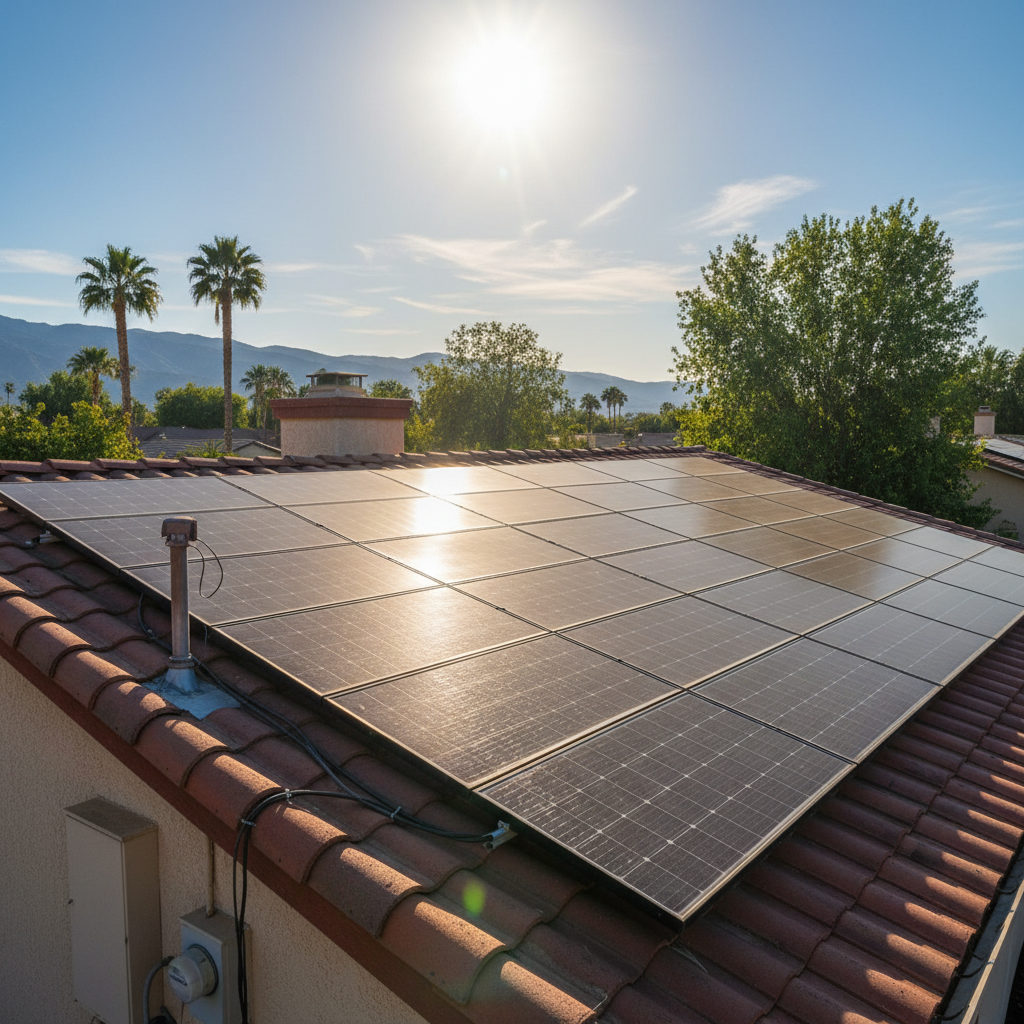
Homeowners in San Antonio increasingly face a unique challenge after a storm: managing solar arrays alongside traditional roofing. While modern photovoltaic panels are engineered to withstand significant impact, high velocity hail can cause internal micro cracks. These fractures are often invisible to the naked eye, yet they can severely degrade energy production over time. A standard hail damage roof Texas inspection must include a specialized assessment of your solar hardware to ensure your investment remains productive.
When a roof requires replacement, the solar panels must be professionally removed to allow access to the decking and shingles. This process, known as a "detach and reset," is a complex logistical step that many traditional contractors are not equipped to handle. If an unqualified roofer disturbs the racking or electrical components, they may inadvertently void your system's manufacturer warranty or cause future leaks at the mounting points.
NexPeak Roofing provides a streamlined solution by managing both the residential roofing services and the solar technical work in house. Our team handles the disconnection, safe storage, and precise reinstallation of your panels. This integrated approach ensures that your solar warranty remains intact while we provide the necessary roof insurance claim support to cover the full scope of the restoration. For costs not fully covered by a settlement, we also provide flexible financing options to ensure your home remains protected and energy efficient.